SHABASH Research & Development Foundation

The relationship between rural communities and nature is deeply connected. Land, water, forests, and natural resources support livelihoods, agriculture, and daily life for countless families. When environmental resources are protected and managed responsibly, communities are better equipped to meet present needs while preserving opportunities for future generations.

Many villages continue to depend on agriculture as a primary source of income. The availability of fertile soil, adequate water, and healthy ecosystems directly influences productivity and household wellbeing. Environmental awareness therefore becomes an important part of long term community development rather than a separate concern.

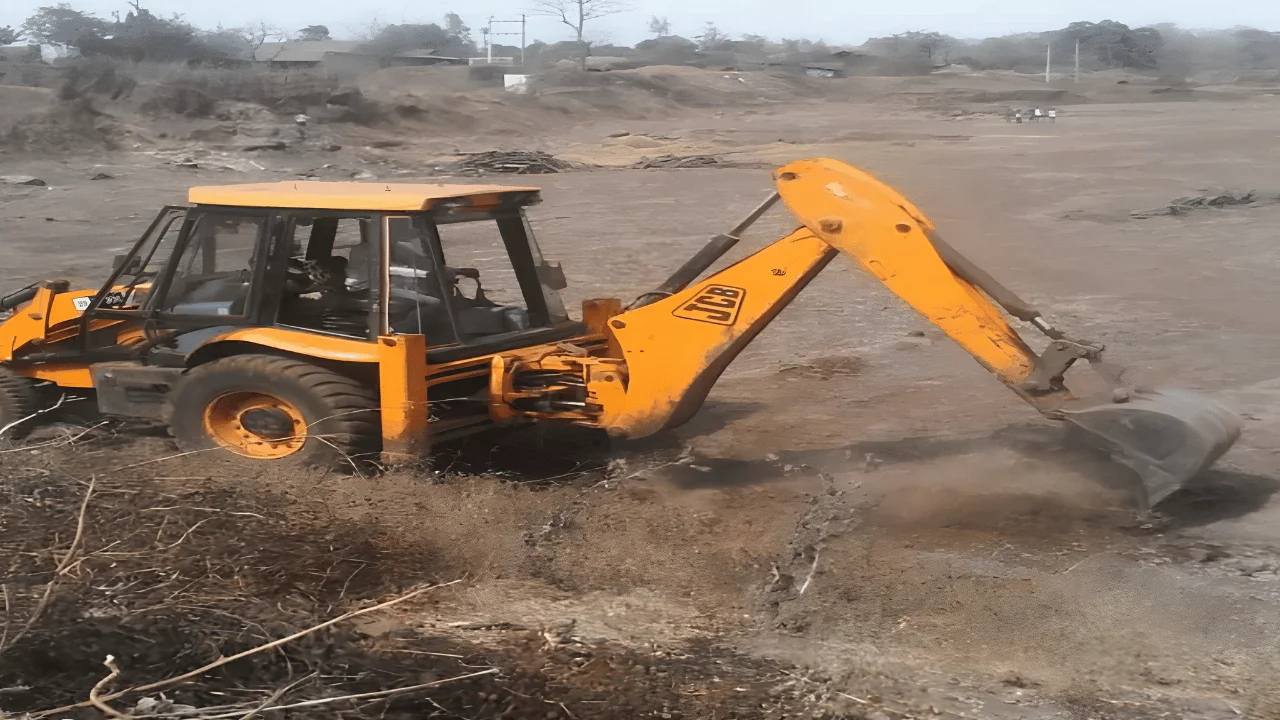
Water conservation remains one of the most significant priorities in many rural areas. Seasonal changes, irregular rainfall patterns, and increasing pressure on natural resources make efficient water management essential. Community participation in water conservation efforts can help strengthen agricultural activities and improve local resilience during difficult periods.

Sustainable farming practices also contribute to healthier communities and environments. Farmers increasingly recognise the value of approaches that improve soil quality, reduce unnecessary chemical dependence, and encourage long term productivity. Sharing knowledge and practical guidance can support more sustainable agricultural outcomes while protecting natural resources.

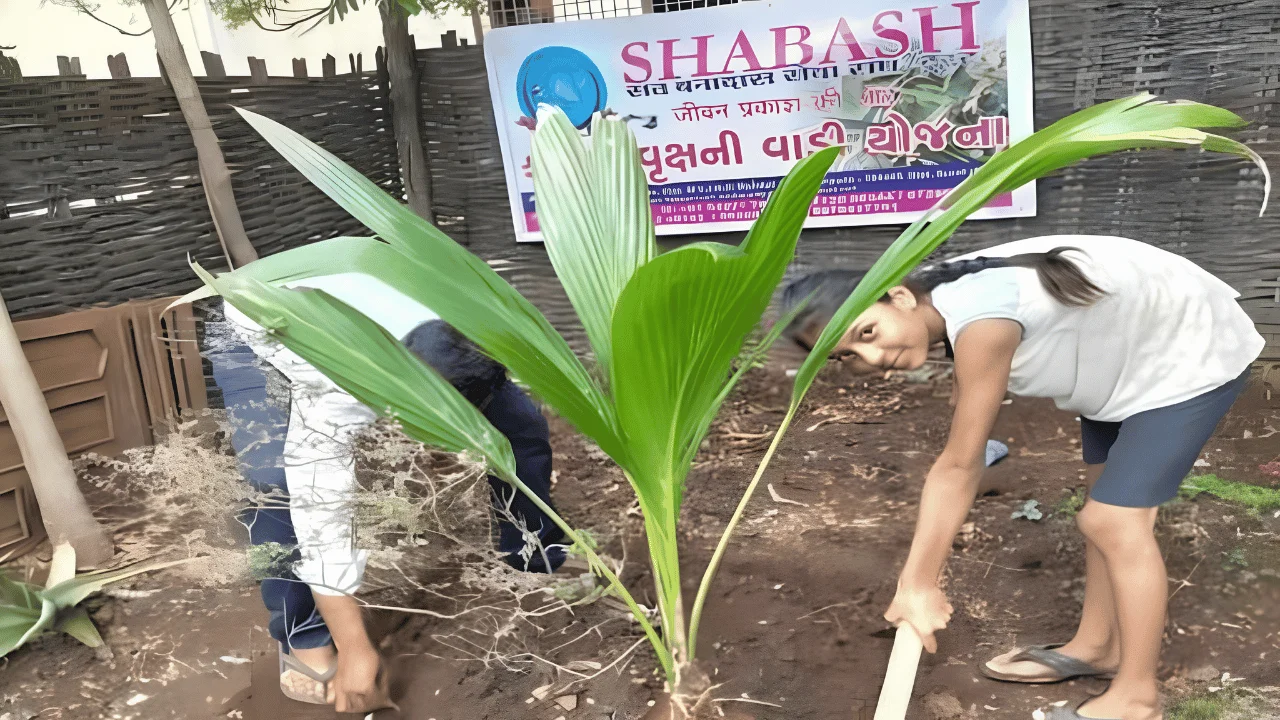
Environmental responsibility extends beyond farming. Tree plantation activities, awareness programmes, and community participation initiatives encourage people to understand their role in protecting the environment. Small actions undertaken consistently by many individuals can create visible improvements across villages and local ecosystems.

Young people also have an important role to play in environmental stewardship. Educational programmes that encourage awareness about conservation, waste management, biodiversity, and sustainable practices help build a generation that values and protects natural resources. Environmental learning becomes more effective when linked to everyday life and local realities.

Community development and environmental wellbeing are closely connected. Stronger natural resources support healthier livelihoods, while responsible environmental practices help communities become more resilient to future challenges. Sustainable progress is achieved when development and conservation move forward together.

Protecting nature is ultimately an investment in people. Every effort that supports cleaner surroundings, healthier ecosystems, improved water resources, and sustainable agriculture contributes to stronger communities and a more secure future for generations to come.

Share this :

Stay updated with stories that inspire change

Subscription Form